
Few things ruin a cruise faster than a stomach bug spreading through the ship. Most passengers who get norovirus recover in a few days and don't have a lawsuit. But some cruise illnesses are serious, and some are caused by preventable failures. Here's how to tell the difference.
The short answer
- Getting sick on a ship isn't, by itself, proof the cruise line did anything wrong.
- You generally need to show the illness came from the ship and that the line failed to use reasonable care, for example in food handling, sanitation or outbreak response.
- Serious illnesses with lasting harm, such as dehydration requiring hospitalization or bacterial infections like E. coli or Salmonella, are the strongest claims.
- Report your symptoms to the ship's medical center. That creates a record and helps the CDC track outbreaks.
How the CDC tracks cruise illness
The CDC's Vessel Sanitation Program (VSP) oversees cruise ships on voyages that include both U.S. and foreign ports, which covers most cruises from Cape Liberty, Manhattan and Brooklyn. Ships must log passengers and crew who report gastrointestinal illness and send those counts to VSP.
The CDC posts an outbreak on its website when 3% or more of passengers or crew on a voyage report GI symptoms to the ship's medical staff. Its 2026 list includes outbreaks caused by norovirus and by E. coli. The CDC also inspects ships and publishes sanitation inspection scores.
The CDC defines a reportable case as three or more loose stools within 24 hours (or more than normal for that person), or vomiting plus another symptom such as diarrhea, muscle aches, headache, abdominal cramps or fever.
When there may be a claim
Cruise lines owe passengers reasonable care under federal maritime law. Illness claims are strongest when there's evidence like:
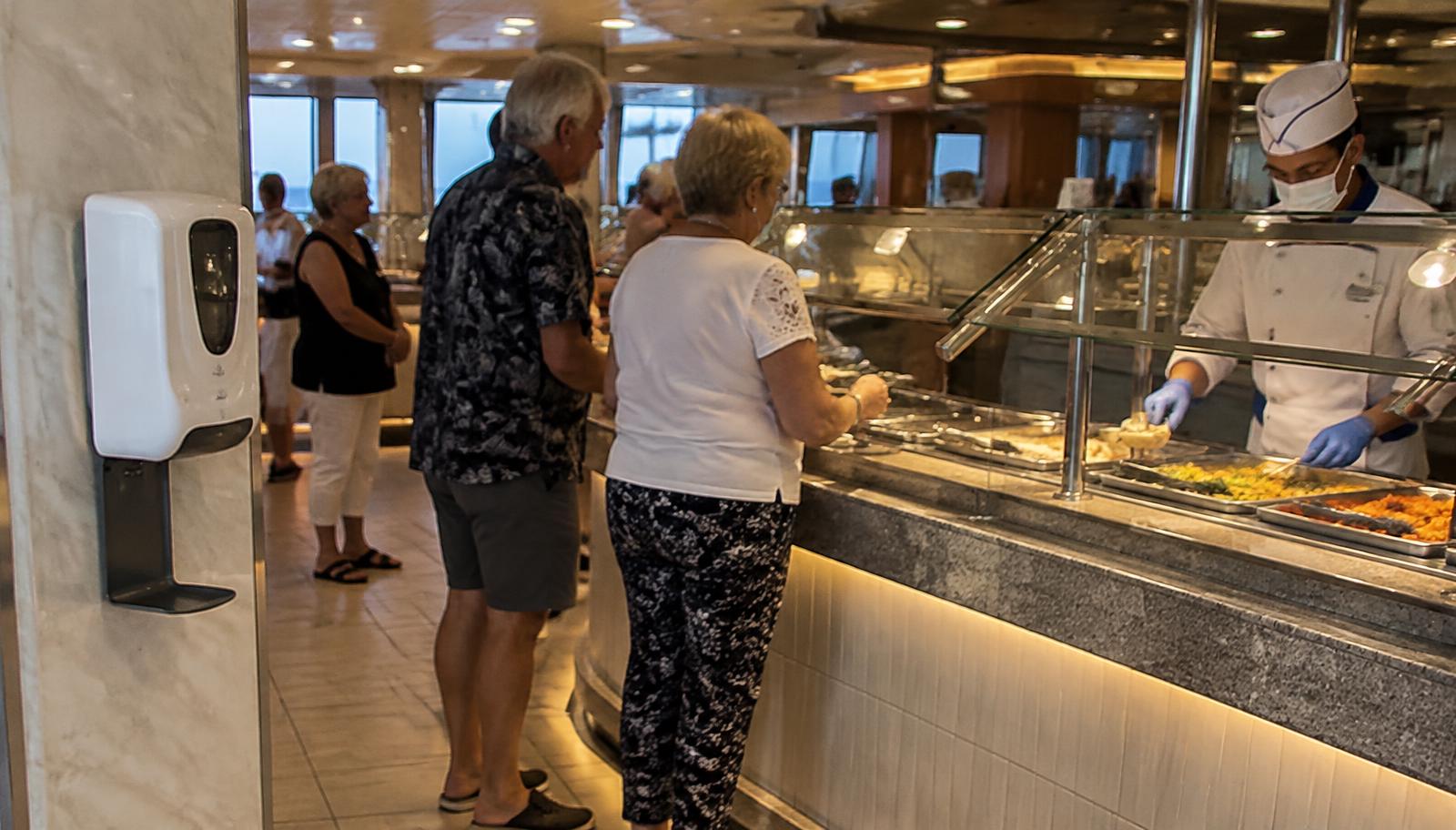
- Food safety failures: undercooked or contaminated food, improper temperatures, or sick crew handling food.
- Ignored warning signs: an outbreak on the previous sailing without adequate cleaning before new passengers boarded.
- A poor outbreak response: failing to isolate sick people, close self-serve buffets or increase disinfection under the ship's outbreak plan.
- Water problems: contaminated potable water or pools.
- Medical negligence: the ship's medical staff failing to treat severe dehydration or recognize a serious infection. See ship doctor malpractice.
Why these cases are hard
Causation. Norovirus is extremely contagious and can come aboard with a passenger. The cruise line will argue you caught it from another traveler, at a port or before boarding. Lab testing helps. A stool test identifying the organism, combined with CDC outbreak data for your sailing, can tie your illness to the ship.
Damages. Two or three days of illness may not justify the cost of a lawsuit, especially one that must be filed in another state. Claims with hospitalization, lasting kidney, nerve or gut problems, or a death are different.
Emotional distress limits. Federal law allows tickets to limit claims for purely emotional harm. Those limits don't apply when the distress results from a physical injury caused by the cruise line's negligence (46 U.S.C. § 30527(b)). An illness is a physical injury.
What to do if you get sick on board
- Go to the medical center and ask for a copy of your records before disembarking.
- Write down what you ate and where, when symptoms started and who else got sick.
- Save daily ship newsletters or announcements about illness or enhanced cleaning.
- See your own doctor when you get home and ask about a stool test if symptoms continue.
- Check the CDC's cruise ship outbreak page for your ship and sailing dates.
More steps are in our cruise injury evidence checklist.
Deadlines and where to file
Illness claims are personal injury claims under the ticket contract. Expect written notice within 6 months and suit within 1 year (46 U.S.C. § 30526), usually in the court the ticket names, often federal court in Miami, which may involve co-counsel admitted there. See cruise injury claim deadlines.
More on passenger claims: cruise ship injury lawyer.
General information, not legal advice. CDC outbreak data and inspection scores are public on the CDC's Vessel Sanitation Program website.