
When someone dies on a cruise, whether from a fall overboard, a medical emergency that wasn't handled properly or an accident on board, families face grief and a confusing set of laws. The most important is the Death on the High Seas Act, a 1920 federal law that still decides what many families can recover.
Key points
- The Death on the High Seas Act (DOHSA) applies to deaths caused by wrongful acts more than 3 nautical miles from the U.S. shore (46 U.S.C. § 30302).
- A personal representative brings the claim for the decedent's spouse, parent, child or dependent relative.
- Recovery is limited to pecuniary loss, such as lost financial support, services and funeral costs (46 U.S.C. § 30303).
- Most cruise tickets still require a lawsuit within 1 year of the death.
Why the location of the death matters
Beyond 3 nautical miles from the U.S. coast: DOHSA applies. Most of a cruise from Bayonne to Bermuda or the Caribbean is on the high seas.
Within U.S. territorial waters or in port: general maritime law applies, and courts recognize a wrongful-death claim under it (Moragne v. States Marine Lines, Inc., 398 U.S. 375 (1970)). For passengers and other non-seafarers killed in state waters, state wrongful-death remedies may also be available (Yamaha Motor Corp., U.S.A. v. Calhoun, 516 U.S. 199 (1996)). New Jersey's Wrongful Death Act is N.J.S.A. 2A:31-1.
The ship's navigation records show exactly where it was. Get them preserved quickly.
What DOHSA allows, and what it doesn't
DOHSA allows "fair compensation for the pecuniary loss" suffered by the family members it covers. That typically includes:
- lost financial support the decedent would have provided;
- the value of lost household services, care and guidance that can be measured in money;
- funeral and burial expenses.
The Supreme Court has held DOHSA does not allow damages for loss of society, such as grief or loss of companionship (Mobil Oil Corp. v. Higginbotham, 436 U.S. 618 (1978)), and that families can't add a general maritime law survival claim for the decedent's pre-death pain and suffering (Dooley v. Korean Air Lines Co., 524 U.S. 116 (1998)). Congress created an exception for commercial aviation crashes (46 U.S.C. § 30307), but not for cruise ships.
This hits retirees and children hardest. When the person who died had no earnings and no dependents, the financial recovery under DOHSA can be small, even when the cruise line's conduct was serious.
Falls overboard
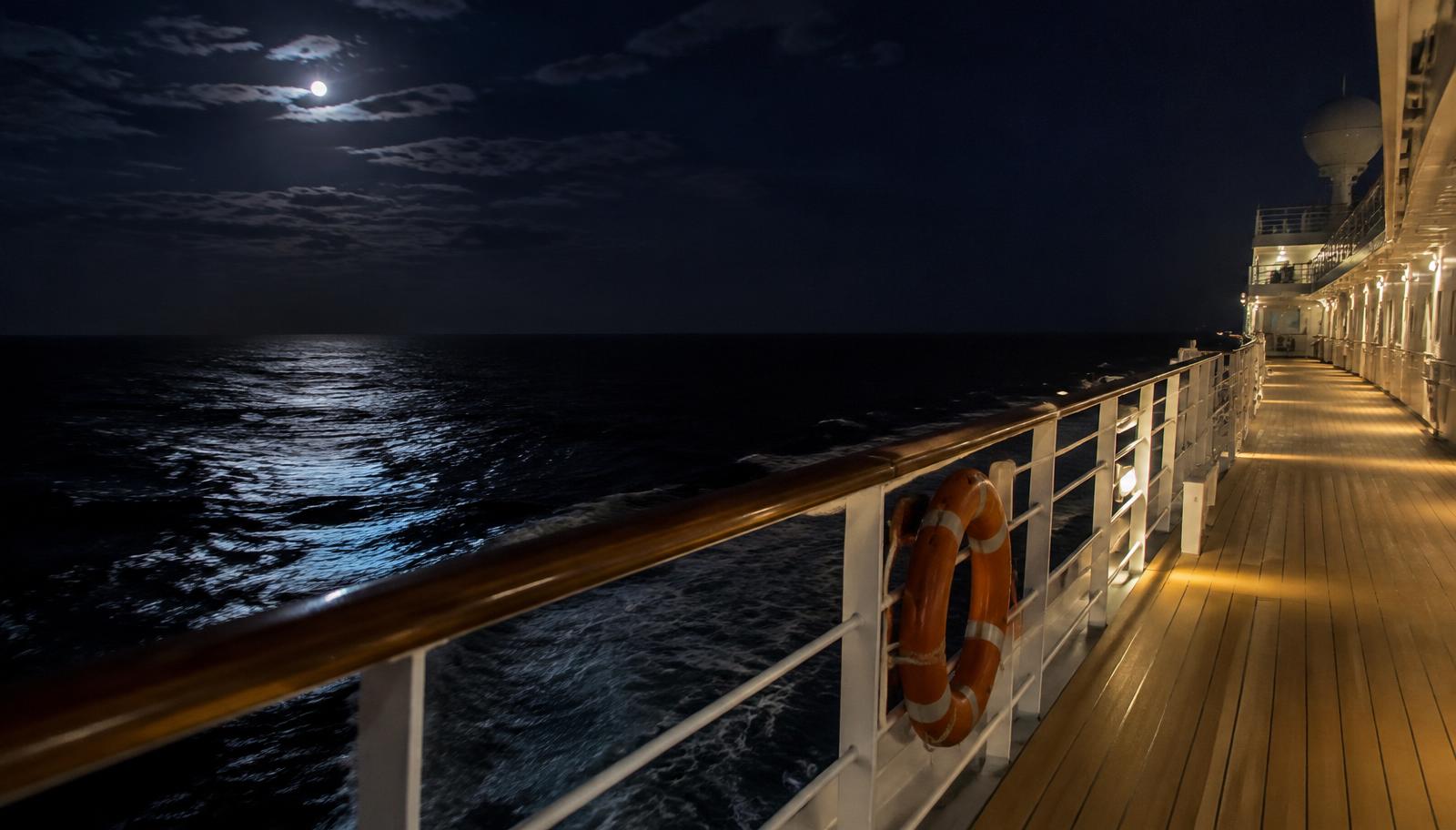
The Cruise Vessel Security and Safety Act requires covered ships to have rails at least 42 inches above the cabin deck and to integrate technology that can capture images of, or detect, passengers who fall overboard, "to the extent that such technology is available" (46 U.S.C. § 3507(a)). Cruise lines must also report missing U.S. nationals to the FBI.
Questions in an overboard case often include: how long it took the crew to notice, whether video was reviewed promptly, whether the ship turned back and searched properly, whether the person was over-served alcohol and whether the railing area was safe.
Medical deaths on board
Many cruise deaths are medical. If the ship's medical staff failed to diagnose or treat a condition, or delayed an evacuation, the cruise line can be vicariously liable in the Eleventh Circuit under Franza v. Royal Caribbean Cruises, Ltd., 772 F.3d 1225 (11th Cir. 2014). See ship doctor malpractice.
Deadlines
DOHSA itself has a three-year limit (46 U.S.C. § 30106), but a cruise ticket can shorten the time to sue the cruise line to one year (46 U.S.C. § 30526). For wrongful-death claims, § 30526(d) pauses the contract deadlines until a legal representative is appointed, but not beyond three years. Families should still open an estate and act quickly. See cruise injury claim deadlines.
Most tickets require suit in a named court, often federal court in Miami, and the case may involve co-counsel admitted there. See why your ticket says Miami.
For families in New Jersey
To bring the claim, someone must be appointed personal representative of the estate, usually through the county Surrogate's Court in New Jersey. For the land-based rules, see wrongful death lawsuits in New Jersey.
We're here to help families understand their options: cruise ship injury and death claims.
General information, not legal advice. Which law applies depends on where and how the death occurred.