
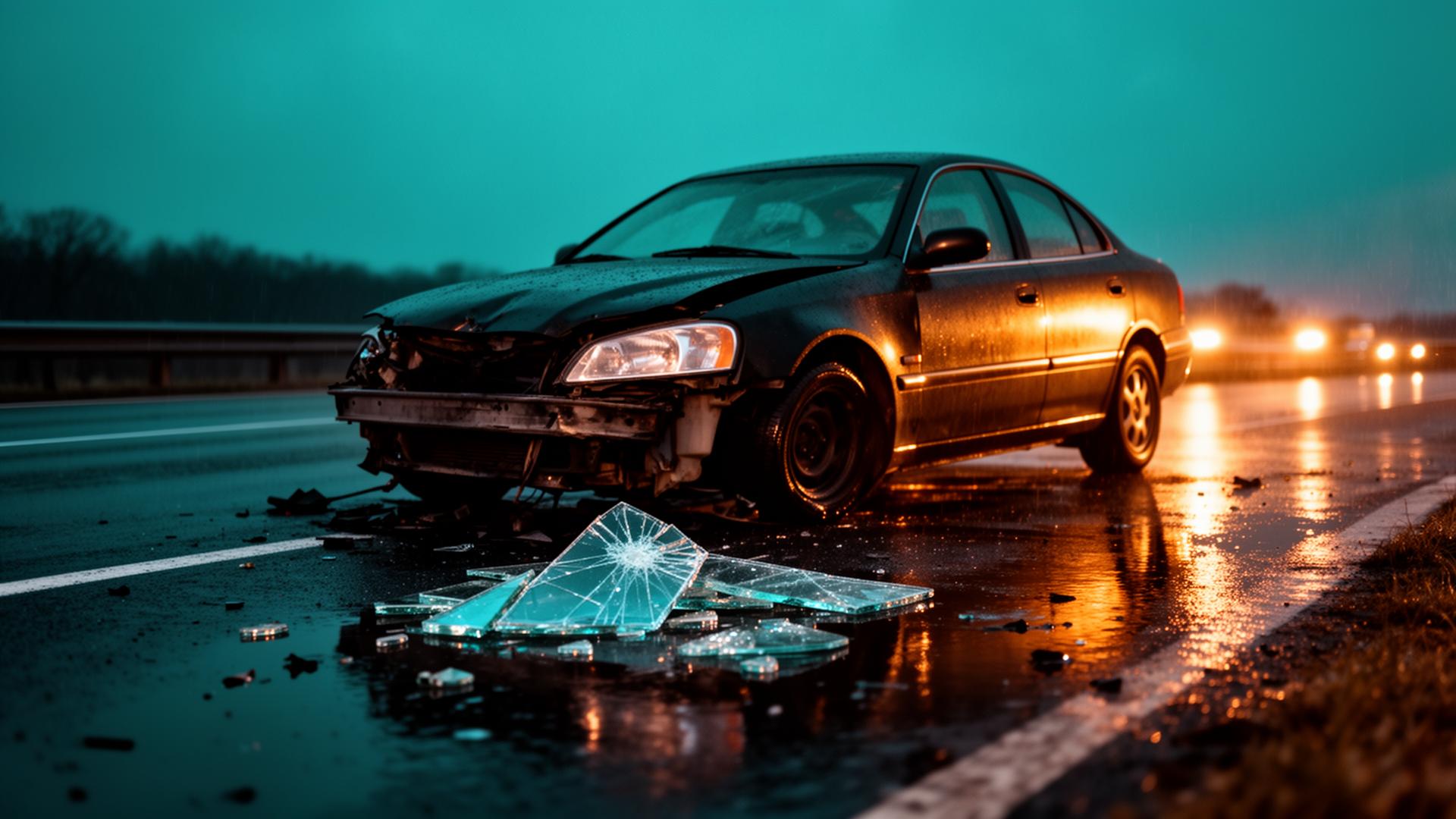
Rear-end collisions are the most common crashes on New Jersey roads: stop-and-go traffic on the Parkway, the backup at a Route 17 light, a distracted driver who looks down for one second. Most of the time the rear driver is at fault. But "most of the time" isn't "always," and insurers know the exceptions well.
Why the rear driver is usually at fault
New Jersey law requires every driver to keep a safe distance. Under N.J.S.A. 39:4-89, a driver "shall not follow another vehicle more closely than is reasonable and prudent, having due regard to the speed of the preceding vehicle and the traffic upon, and condition of, the highway." If you hit the car in front of you, the usual conclusion is that you were following too closely, going too fast, or not paying attention.
When the front driver shares fault
Fault can shift toward the lead driver in situations like these:
- Sudden, unsafe lane changes. A driver who cuts in and brakes immediately takes away the space the rear driver relied on.
- Brake lights that don't work. Drivers must keep their lighting equipment working.
- Reversing. A driver who backs into the car behind them is usually at fault.
- Stopping for no reason in moving traffic, or a deliberate "brake check."
Under New Jersey's comparative negligence law, a jury can split fault. You can still recover as long as you're not more than 50% at fault.
Chain-reaction crashes
In a multi-car pileup, the questions get more complicated. Was the middle car pushed into the car ahead, or did it hit first and then get hit from behind? Damage patterns, the sequence of impacts witnesses heard, vehicle data, and dashcam video help sort it out. Our $1.5 million NJ Turnpike result began when a tractor-trailer rear-ended our client's truck and shoved it into the path of a second 18-wheeler.
"There's no damage, so you can't be hurt"
This is the most common defense in rear-end cases. Insurers point to photos of a barely dented bumper and argue that no one could be injured. Modern bumpers are designed to absorb impact without visible damage, which means more of the force can be transferred to the people inside. Injury depends on the body involved, including prior conditions, head position, and seat position, not just the car. We recovered the full $1 million combined policy limits in a low-impact rear-end crash with no visible vehicle damage.
Common rear-end injuries
- Neck sprain and strain (whiplash)
- Herniated discs in the neck and lower back
- Concussions, even without hitting your head, from the rapid back-and-forth motion
- Shoulder injuries from the seat belt
For drivers with the limitation-on-lawsuit option, recovering pain and suffering requires proving a permanent injury with objective evidence. Read about the verbal threshold.
Who pays
- Your medical bills: your own PIP coverage first, regardless of fault. PIP explained.
- Your car: the at-fault driver's property damage liability coverage, or your own collision coverage, with your insurer seeking reimbursement afterward.
- Pain and suffering and economic losses PIP doesn't cover: the at-fault driver's bodily injury liability insurance, and your own underinsured motorist coverage if theirs isn't enough.
Evidence to protect
- Photos of both cars, including the rear bumper and the bumper cover. Repair estimates showing hidden damage underneath help too.
- The police crash report
- Witness names and numbers
- Dashcam video and any nearby cameras
- Prompt medical records describing every symptom
Frequently asked questions
The driver who hit me says I stopped short. Does that matter?
Drivers are expected to stop for traffic, so stopping is not negligence. A legitimate stop doesn't shift fault. The rear driver is still expected to leave enough room to stop safely.
Should I get treatment if I feel only a little sore?
Yes. Rear-end injuries often get worse over the following days. A prompt record links the symptoms to the crash. See the full after-crash checklist.