
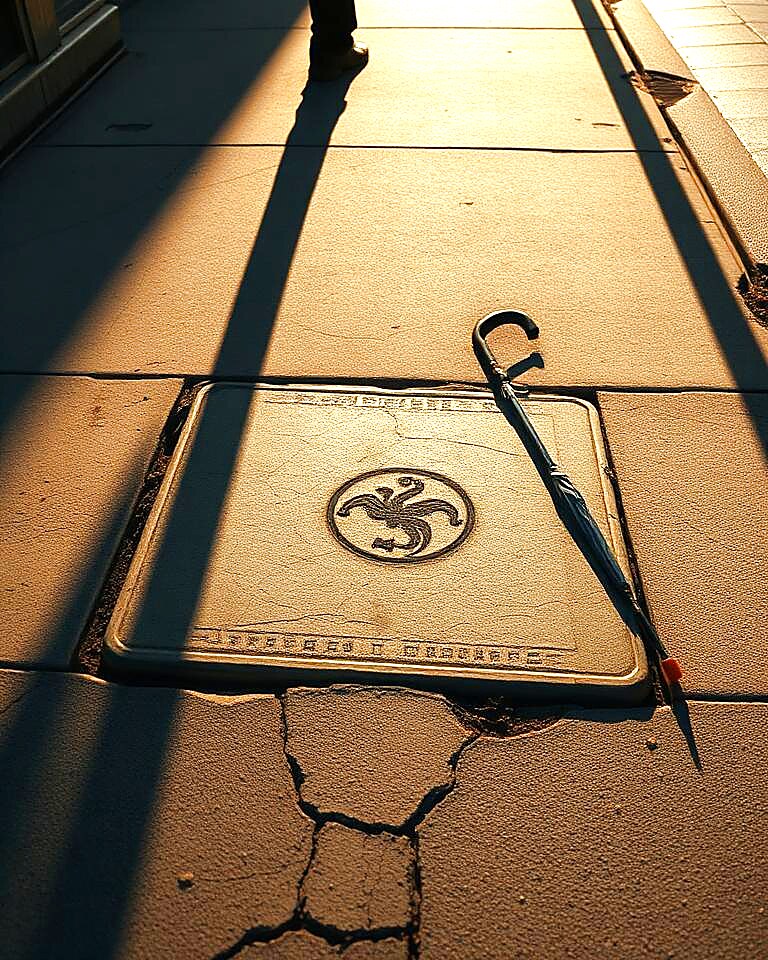
Half an inch.
A broken hip.
Sidewalks shift. Steps crack. Carpet edges curl. None of it has to injure anyone — and when it does, the law puts the responsibility on the owner who let the condition exist.
An elevation change
is a known hazard.
Trip-and-fall cases in New Jersey require proof that the condition was dangerous, that the owner had notice, and that the condition caused the injury. We document the elevation differential to the millimeter and tie it to recognized industry standards.
Where the fall was on a public sidewalk, the abutting-owner rule depends on whether the property is commercial or residential. We sort it out fast.
The case starts
on day one.
Every trip and fall accidents matter is treated as a litigation file from the first call — because that's what wins it.
No fee unless we win.
You owe us nothing unless we recover for you. Period.
Cash advance in 24 hours.
Same-day funding can be arranged through third-party sources while your case is built.
Free, confidential case review.
An attorney — not an intake screener — reviews your matter and tells you what it's worth.
24/7 line, real people.
Evidence disappears in days. We answer the phone the night it happens.
Hurt in New Jersey?
Tell us what happened.
A New Jersey attorney personally reviews every submission — typically within the hour. No fee. No obligation. Evidence preservation begins the moment we hang up.
- Statewide coverage — every NJ county
- Preservation letters issued same day
- In-house investigation team
- Available 24/7 — nights, weekends, holidays
Request your free
consultation.
Dennis Shlionsky's Team will personally review your matter — typically within one hour. There is no fee unless we win.
The half-inch rule isn't a rule
but it matters.
There's no bright-line statutory differential that turns a defect into a hazard. But appellate decisions have recognized that elevation differentials of as little as a half inch can be actionable depending on context. We document the measurement, the lighting, and the foot traffic — and let the totality decide.
Commercial CGL or homeowners.
Commercial property = CGL. Residential abutting owner = homeowners (when liability attaches). Public sidewalks = Tort Claims Act. The first question is who owned and controlled the surface.
What clients ask first.
I tripped on a public sidewalk. Who do I sue?
Depends. If the abutting property is commercial, the owner. If residential, often no one (with exceptions). If the sidewalk is a public entity's responsibility, the entity — under the Tort Claims Act, with 90-day notice. We map ownership immediately.
How much does it cost to hire your firm?
Nothing up front. We work on a contingency fee — you owe us no attorney's fee unless we recover money for you. Costs are advanced by the firm and only reimbursed out of a recovery. The first conversation is free and confidential.
How long do I have to file a claim in New Jersey?
Most personal-injury claims in New Jersey carry a two-year statute of limitations under N.J.S.A. 2A:14-2, running from the date of injury. Claims against a public entity (city, county, NJ Transit, the State) require a Notice of Tort Claim within 90 days under the New Jersey Tort Claims Act. Wrongful-death actions also have a two-year window. Call as early as possible — evidence does not wait.
A defect today.
A case tomorrow.
Document the condition before it's repaired. Call.
Request your free
consultation.
Dennis Shlionsky's Team will personally review your matter — typically within one hour. There is no fee unless we win.
Prior results do not guarantee a similar outcome. Each case turns on its own facts. The information on this page is for general educational purposes and is not legal advice. Contacting the firm does not create an attorney-client relationship.